







Search Results for: Acidic Coffee Beans
Pour-Over Coffee: Should You Choose Acidic or Non-Acidic Beans? Understanding the Two Flavor Camps at a Glance
First-time buyers of pour-over coffee beans often find themselves stuck in a dilemma: should I buy something acidic, or something not acidic? In fact, there is no standard answer to this question. The fun of pour-over coffee is that different beans can present completely different styles. Some people love the bright, lively notes of floral and fruity flavors, while others love the warm, solid comfort of the rich, full-bodied camp. The key [more…]
How Does Roast Level Affect Coffee Acidity? A Guide to Nearly Acid-Free Espresso and Pour-Over Single-Origin Bean Recommendations
Many people want to find coffee beans that are completely acid-free, but in reality, coffee that contains absolutely no acidic substances at all hardly exists. The so-called "acid-free" coffees on the market are often just extremely low in acidity, to the point where it is hard to detect. The acidity level of coffee is mainly influenced by variety, growing environment, processing method, and roast level, among which the degree of roasting is especially key—the darker the roast, the more acidic substances are broken down, and the more prominent the bitterness and roasted aromas become, making it easier to mask any remaining acidity. This article will explain the principles behind this and recommend three nearly acid-free Front Street Coffee dark roasts according to flavor intensity: Brazil Queen Estate, Golden Mandheling, and Jamaica Blue Mountain, helping you choose beans precisely based on your taste preferences. [more…]

Why Does Coffee Taste Sour? A Complete Analysis from Roast Development to Acidity Quality
Many people feel confused when they taste acidity in coffee, but coffee beans themselves are rich in a variety of acidic substances. Before the turn of the millennium, mainstream dark roasting caused the acidity to break down or be masked, and it was only after light roasting became popular in the specialty coffee era that acidity could be clearly perceived. But coffee is not better the more acidic it is—what we should pursue is "acidity quality" rather than simple "acidity level." Acidity level is the intensity of the sour taste, and when too high it becomes sharp and hard to accept; acidity quality, on the other hand, combines with other sensory impressions and can evoke positive flavors such as citrus or smoked plum. The quality of acidity is influenced by many factors, including growing altitude, soil fertility, processing, and brewing. Front Street Coffee will break down these factors in detail in this article to help you truly understand coffee acidity. [more…]
Coffee Bean Recommendations | Is Good Coffee Always Sour? Which Regions Produce Coffee Beans with Bright Acidity? Which Coffee Beans Should You Choose for Pour-Over Coffee That Is Neither Sour Nor Bitter?
One of the defining features of Front Street's shops is the wide selection of beans available for pour-over coffee. Although not every bean sold on Taobao and Tmall has been brought into the physical stores, a rough count still puts the number at over thirty—so the choices can be considered quite abundant. And even though the bean selection runs to more than thirty options, [more…]

Light Roast Floral Coffee Beans Recommendations | Why Is Light Roast Coffee More Acidic? Must-Buy Acidic Specialty Pour-Over Coffee Beans for Beginners
The coffees we drink have diverse flavors, but they are actually all related to the coffee roast level; coffee flavor expression differs under different roast levels. The tasting of specialty coffee has also become a discipline, with more and more people learning to perceive the unique floral and fruity flavors of specialty coffee, and everyone is encountering more and more light-roast acidic coffees. Light-roast coffee [more…]
Selected Non-Acidic Black Coffees: Front Street Coffee's Brazil Yellow Bourbon with Nutty Cream Flavor and a Dark Cocoa Espresso Blend Recommendation
Prefer a non-acidic black coffee? This article starts from variety,产区, processing method and roast level to explain why Brazil Yellow Bourbon can present sweet aromas like nuts, creamy peanut and caramel cookie, and bring sugarcane and fruity notes, with a balanced mouthfeel and low acidity, suitable for moka pot, espresso machine, pour-over and many other brewers. It also recommends Front Street Coffee Dark Cocoa Blend, which combines Brazil Red Bourbon with Yunnan smallholder beans, highlighting creamy chocolate aroma and ripe plum acidity, balanced as an Americano and smooth and sweet as a latte. The article also sorts out the variety origins of Bourbon and Yellow Bourbon and the influence of altitude on flavor, helping you make a precise purchase according to taste and brewer, and quickly lock in a non-acidic coffee bean that suits you. [more…]
Which coffee beans are low in acidity and high in sweetness? Flavor differences of the three major producing regions—Yirgacheffe, Brazil, and Colombia—and a buying guide for non-acidic beans
The flavor profile of coffee varies greatly depending on the region, processing method, variety, and roast level, which allows people with different taste preferences to find the cup that suits them. For those who dislike acidic coffee, knowing how to choose a coffee bean with a non-acidic taste and prominent sweetness becomes the key. This article will start with roast level, analyze the effects of light, medium, and medium-dark roasts on coffee acidity and sweetness, and, combined with the characteristics of regions such as Yirgacheffe, Brazil, and Colombia, recommend several representative low-acid, high-sweetness coffee beans from the Front Street Coffee brand to help you shop with more direction. [more…]
Where Does the Acidity in Americano Black Coffee Come From? A Full Guide to Non-Acidic Espresso Blend Beans and Brand Selection
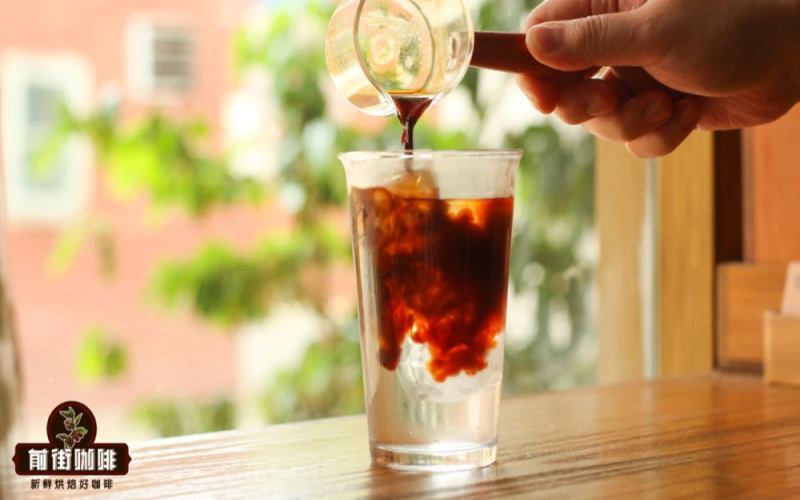
Americano has become an indispensable daily drink for many people, especially in hot seasons when an iced Americano is particularly refreshing. However, as a crop, coffee inevitably varies in quality. Many people wonder when they taste an Americano with sourness: is this normal? In fact, coffee beans naturally contain rich acidity, which gradually decreases with darker roasting. Today, coffee flavor trends are shifting from traditional bitter-burnt notes to floral and fruity acidity, and SOE Americanos are becoming increasingly popular. This article will explain the sources of sourness and the principles of extraction, and recommend several espresso blend coffee beans with non-sour, nutty-chocolate-cookie flavors, including popular Front Street Coffee products, to help coffee lovers find their ideal daily staple. [more…]
How to distinguish light and dark coffee bean roasts? Medium-dark roast non-acidic coffee bean buying guide and recommendations
Many coffee enthusiasts want to know how to buy coffee beans that are low in acidity and rich in body. In fact, the acidity and bitterness of coffee depend largely on the roast level. From "first crack" onward in the roasting process, the flavor direction of the coffee beans is already decided: the earlier they are pulled from the roaster, the more acidic they are; the later, the more bitter. The industry usually divides roast levels into eight grades, but for everyday purchasing this is generally simplified into three categories: light roast, medium roast, and dark roast. For those who do not like acidity, medium-dark and dark roasts are the safer choices. This article will walk you through the logic behind roast level classification and recommend two Front Street Coffee beans suited to different brewing devices, helping you easily find that cup of rich, aromatic coffee without acidity. [more…]
Introduction to Coffee Acidity | Is Dark Roast Less Acidic Than Light Roast Coffee Beans? Which Single-Origin Pour-Over Coffee Beans Are Recommended for Being Tasty and Not Sour?
The acidity in coffee beans does not refer to pH value, but is one of the basic taste characteristics that, together with body, aroma, sweetness, bitterness, and aftertaste, make up the overall flavor. Acidity is generally related to the roast level of the coffee beans and is also somewhat connected to the flavor of their growing region. Many people do not accept coffee that is too acidic because they find the taste too harsh. So [more…]
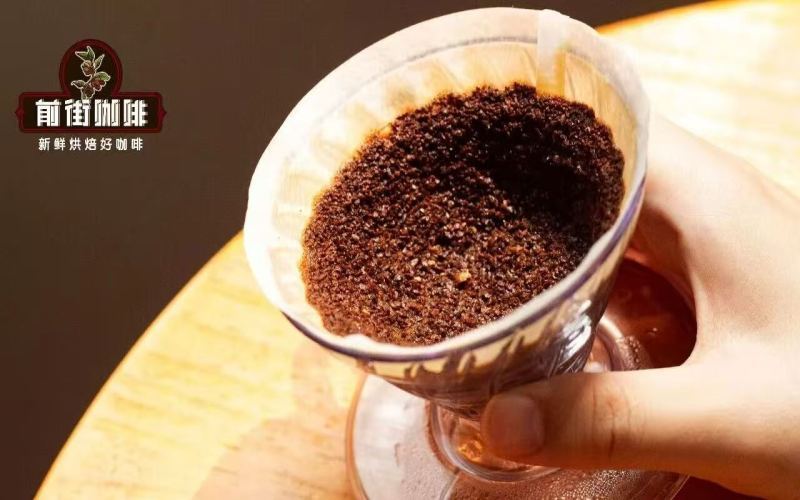
Beginner's Guide to Light Roast Fruity and Floral Acidic Coffee Beans
If you enjoy tea, juice, or if your impression of coffee is stuck on "bitter," then light-roast floral and fruity acidic coffee beans will likely open a new door to understanding coffee. Light-roasted beans preserve the coffee's original floral and fruity aromas and bright acidity, tasting refreshing, clean, and layered. It's not the kind that jolts you so [more…]
In the realm of specialty coffee, acidity reigns supreme: the evolutionary paths of Blue Mountain and Geisha, and an analysis of the causes behind acidity and bitterness
In today's specialty coffee market, acidic coffee has captured nearly half the landscape. Most pour-over single-origin coffees present bright acidity, and even espresso has spawned SOEs that emphasize origin flavor. Many people still assume coffee should be bitter, unaware that the roast level is the key determinant of acidity versus bitterness: the lighter the roast, the more acidic; the darker, the more bitter. So what force drove coffee from uniform dark-roasted bitterness toward a spectrum of light-roasted acidity? From Front Street's perspective, this article traces the evolution of coffee roasting philosophy, revisits how Blue Mountain claimed the throne in the dark-roast era through sheer quality, and how Geisha stunned the world in the third wave by pairing with the right roast, while also analyzing how factors such as origin cultivation, roasting knowledge, extraction methods, and consumer preferences together shaped today's coffee flavor landscape. [more…]
Non-Acidic Americano Coffee Beans Buying Guide | Espresso Blend Combinations and Nutty Chocolate Cookie Flavor Analysis
Americano has long become an indispensable daily drink for many people; whether hot or cold, a cup always brings satisfaction. But as coffee is a crop, its flavor naturally fluctuates—some prefer a rich, bitter note, while others have low tolerance for acidity. If you happen to be looking for an Americano coffee bean with不明显 acidity and a nutty chocolate-cookie style, this article will systematically sort out your purchasing approach, from the causes of coffee acidity and extraction principles to the differences between SOE and espresso blends, and then to specific product recommendations. The article will also combine sales data from major platforms to list several espresso blend coffee beans suitable for making low-acid Americano, covering different price points and uses, making it convenient for coffee lovers and shop owners to reference. [more…]

How Does Roast Level Shape the Acidic and Bitter Flavors of Coffee? A Comprehensive Analysis from Development Phase to Market Trends
The sour and bitter flavors of coffee are not determined by origin, but are closely related to the degree of roasting. This article starts with the "development phase" in roasting, explaining how sourness and bitterness are formed, and explores the role of sweetness and aroma in flavor balance. Through examples such as Kenya, Blue Mountain, and Mandheling, it analyzes the different expressions of light and dark roasts, as well as the influence of market trends and bean quality on roasting choices. Recommendations from Front Street Coffee run throughout the article, providing practical reference for enthusiasts. [more…]
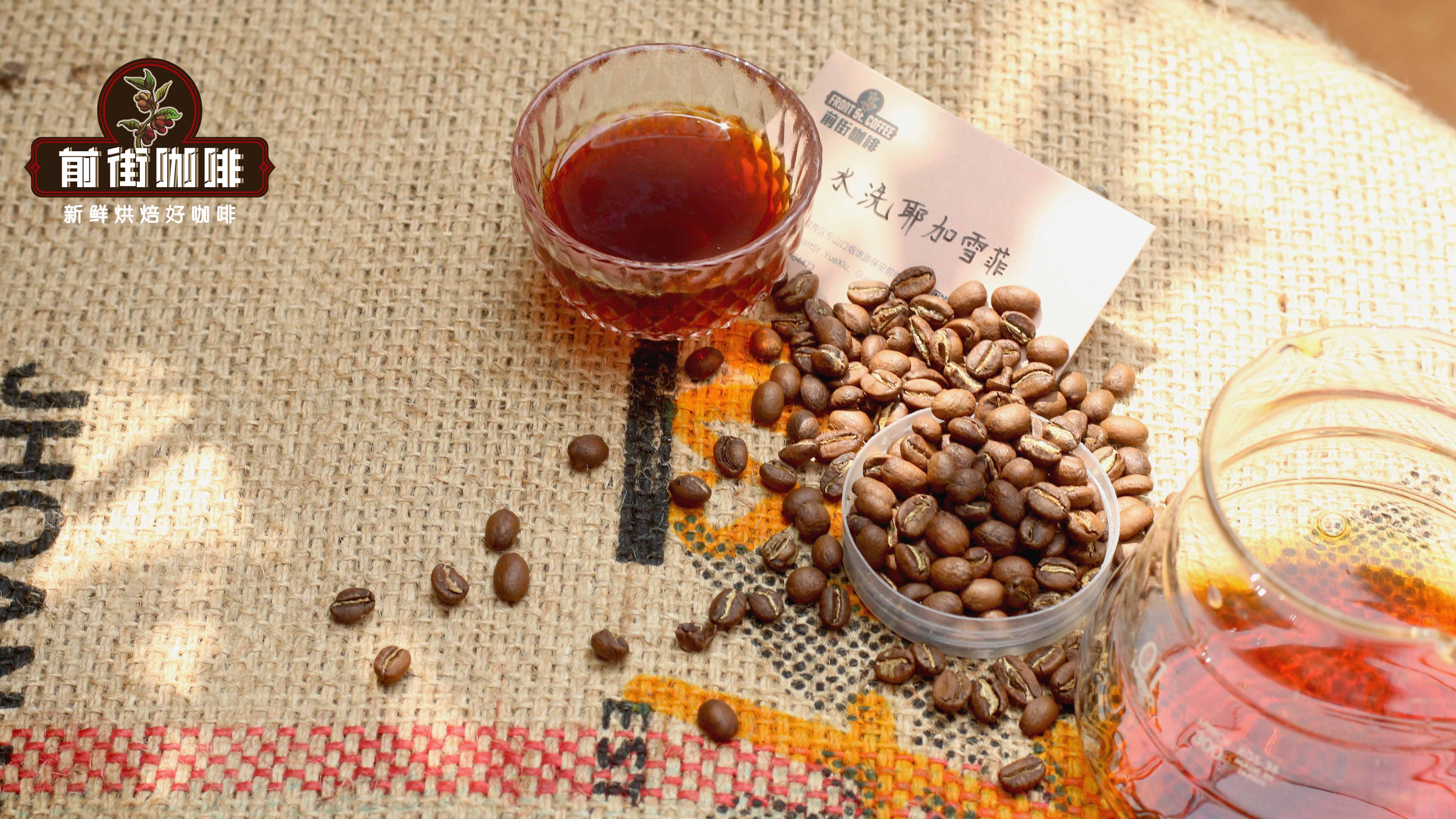
An Analysis of the Flavor Origins, Classic Bean Varieties, Roasting and Brewing, and Drinking Windows of Bright, Acidic Coffees
Stepping into a café and facing a bewildering array of single-origin coffees, drinkers often express their preferences in terms of bitterness and acidity. Front Street Coffee analyzes the origins of acidity and bitterness: genes and terroir lay the foundation (African beans are more acidic than Brazilian ones, and Colombian beans are more bitter than Kenyan ones), while roasting and brewing determine the final taste—light roasts highlight acidity, dark roasts emphasize bitterness. This article uses Front Street Coffee's bean lineup to take stock of the acidity-leaning camp: Ethiopian Yirgacheffe (lemon-citrus acidity with jasmine), the newly added COE #22 and TOH washed champion, Kenyan Asalia (cherry tomato and smoked plum acidity, 72-hour washed with a juicy mouthfeel), and Tanzanian Kilimanjaro (mineral-water sweetness with floral and fruity notes, the gentleman of coffees), with detailed coverage of roasting, cupping, and pour-over. Acidity-loving drinkers are advised to prioritize the above origins and choose beans according to taste. [more…]
How to Choose Coffee That Isn't Sour? Understand the Principles to Pick Beans Without Pitfalls
Many friends who dislike acidic coffee have had this experience: they order based on online recommendations, only to brew a cup with a fruity sour taste, and it completely ruins their mood. What exactly determines whether coffee is sour or bitter? How can you choose to avoid sourness? This article explains it all at once. The sourness and bitterness of coffee mainly depend on these factors: roast level. [more…]
Guide to Buying Low-Acid Coffee Beans: Is Dark Roast Really Less Acidic Than Light Roast?
Many coffee lovers are sensitive to acidity and prefer coffee with a smooth body and low acidity. However, the acidity of coffee does not refer to pH value, but is an important dimension that, together with body, aroma, sweetness, and other factors, forms the flavor profile. The level of acidity is influenced by the degree of roast, processing method, and regional characteristics. This article will analyze the relationship between roast level and acidity, and recommend five delicious low-acid coffee beans, including Front Street PWN Bird of Paradise, Front Street Brazil Queen's Estate, Front Street PWN Golden Mandheling, Front Street 2013 Yunnan Typica, and Front Street Colombia Huila, to help you make a choice based on your taste preferences. [more…]
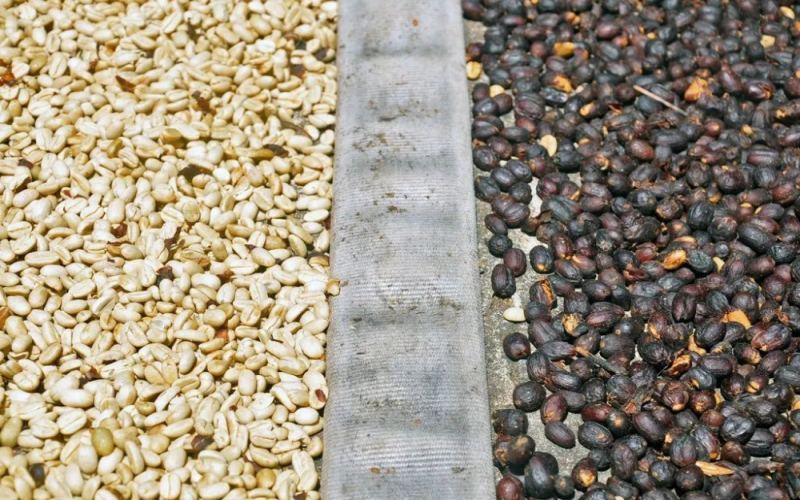
Why Are Washed Coffees More Acidic Than Natural Ones? Understanding the English Terms and Flavor Differences of Two Processing Methods
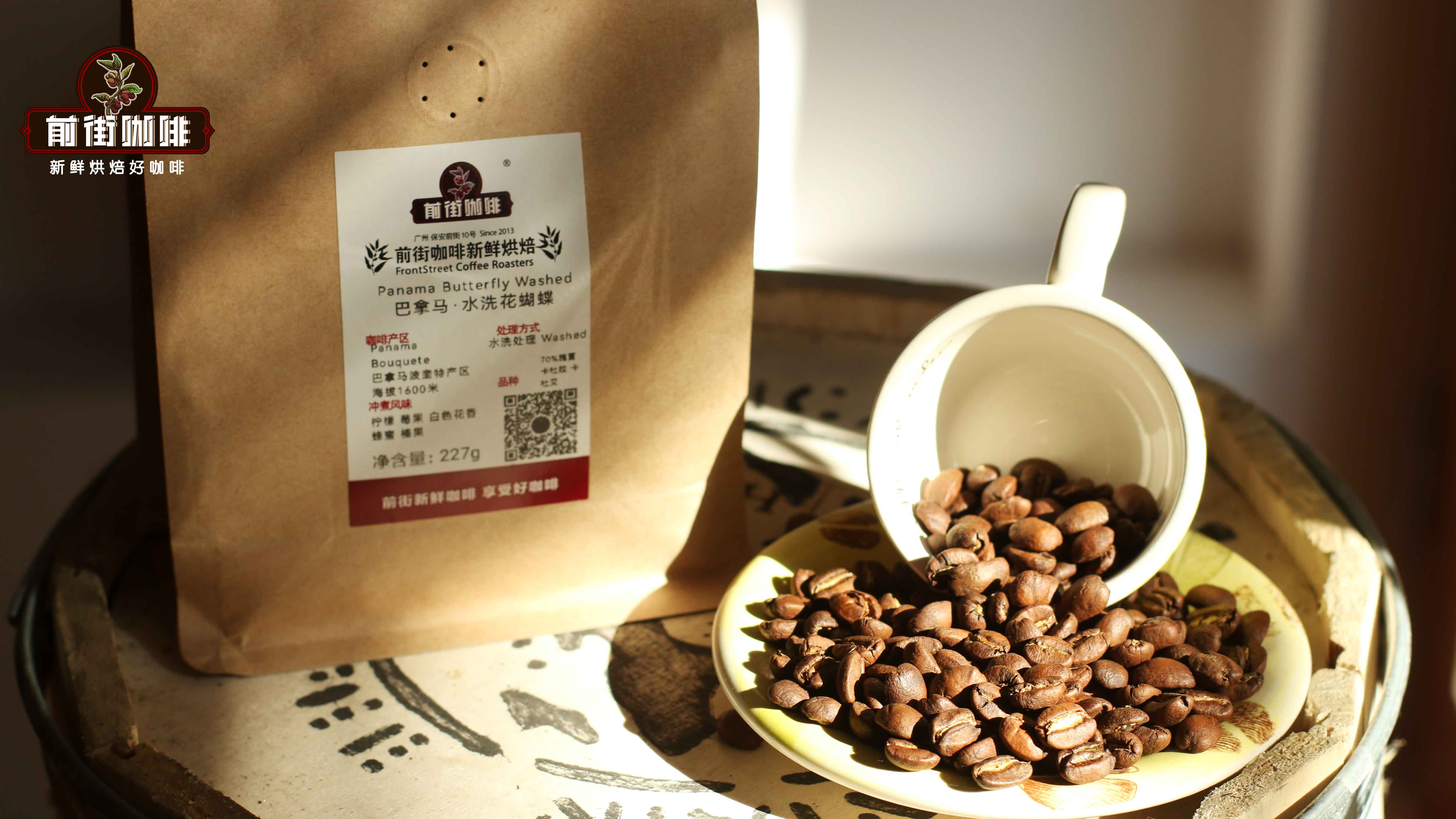
Washed and natural are the two most mainstream processing methods in the coffee industry, but for most enthusiasts, it is hard to tell which flavor profile in the cup belongs to which just by name. Some say natural coffees are sweeter and washed coffees are more acidic—is this claim actually true? This article will analyze the processing steps, the causes of flavor, English terminology, and other angles, and with the help of Front Street Coffee's Panama Butterfly natural and washed versions, conduct a blind tasting comparison to help readers clarify the core differences and respective charms of the two processing methods. [more…]
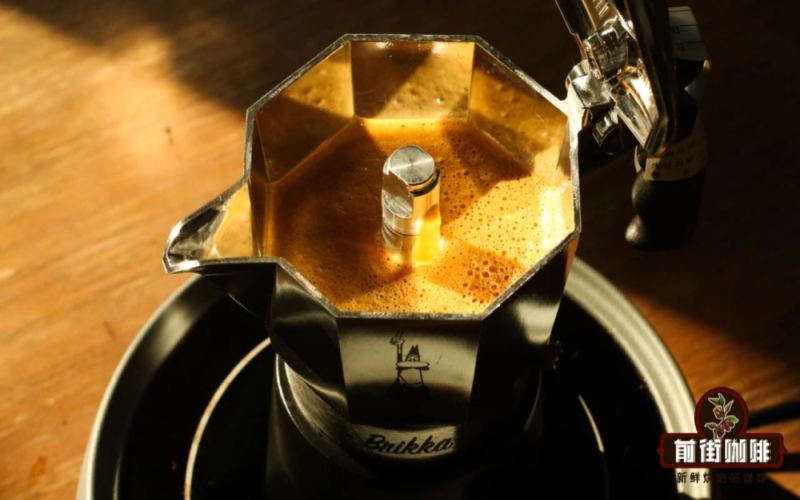
Practical Analysis of Brewing Acidic Coffee Beans with a Moka Pot: Bean Selection, Grind Parameters, and Key Operational Points
Many moka pot enthusiasts are often puzzled: what kind of coffee beans are suitable for brewing with a moka pot? In particular, for beans whose flavor descriptions mention fruity acidity, does making them with a moka pot actually taste good? To address this issue, Front Street selected three coffee beans with different levels of acidity for actual brewing tests, namely Front Street Ethiopia Yirgacheffe Gutingting, Front Street Costa Rica Mozart, and Front Street Papua New Guinea Bird of Paradise. By comparing two drinking methods—the pure brew and iced Americano—and observing the crema performance and flavor differences, we ultimately compiled bean selection suggestions and brewing key points to help everyone find the types of coffee beans suitable for a moka pot. [more…]
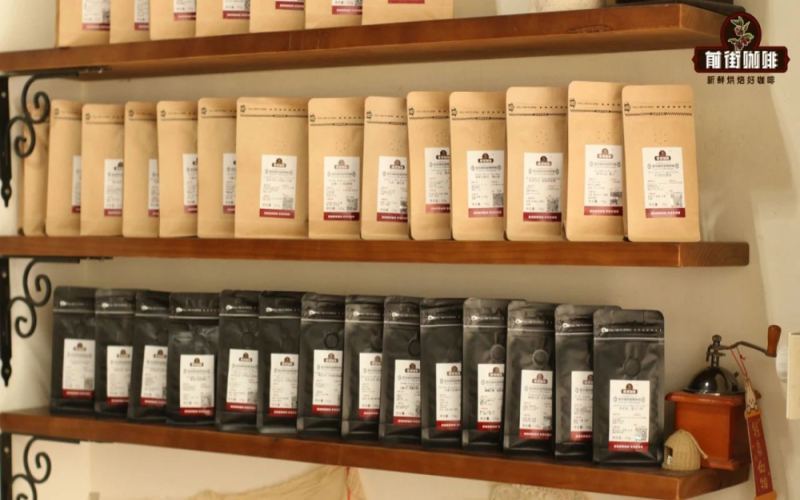
How to Choose Non-Acidic Coffee Beans? Six Low-Acidity, Rich Coffee Bean Recommendations and an Analysis of Front Street Coffee's Classic Espresso Blend
The flavor of coffee beans varies greatly depending on origin and processing method. If classified by acidity intensity, light roasts and medium-light roasts typically present bright fruity acidity, while medium-dark roasts and dark roasts tend toward low acidity and mellow body. This article focuses on coffee beans that are not sour or have extremely low acidity. Front Street Coffee has selected six representative beans, covering Brazil Queen's Estate, Colombia Huila, PWN Golden Mandheling, Papua New Guinea Bird of Paradise, Brazil Red Bourbon, and the Strawberry Candy espresso blend, and additionally recommends a classic blend suitable for moka pots and espresso machines. Each bean comes with origin, variety, processing method, and flavor description to help enthusiasts who prefer a mellow, non-acidic taste make precise purchases. [more…]